By Redaksjonen
S/Y Santana til Risør Classic
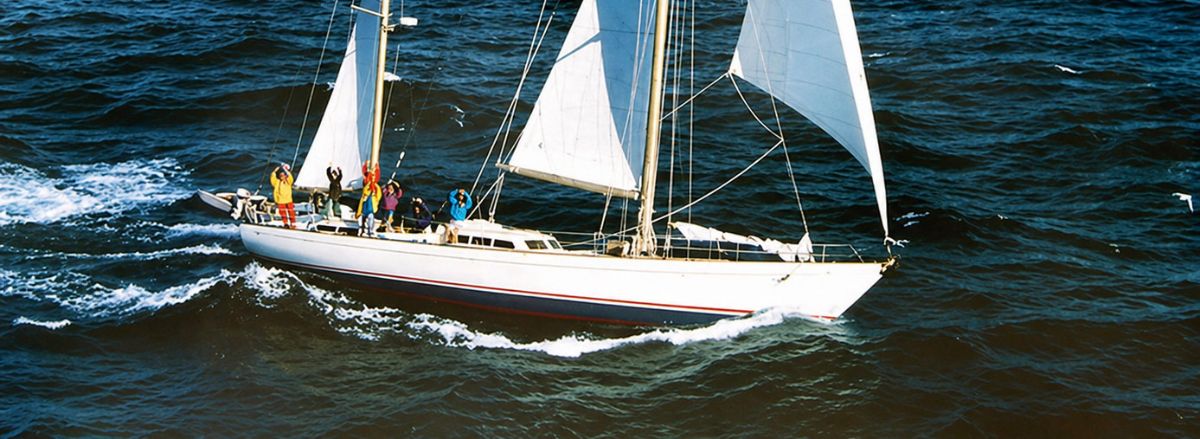
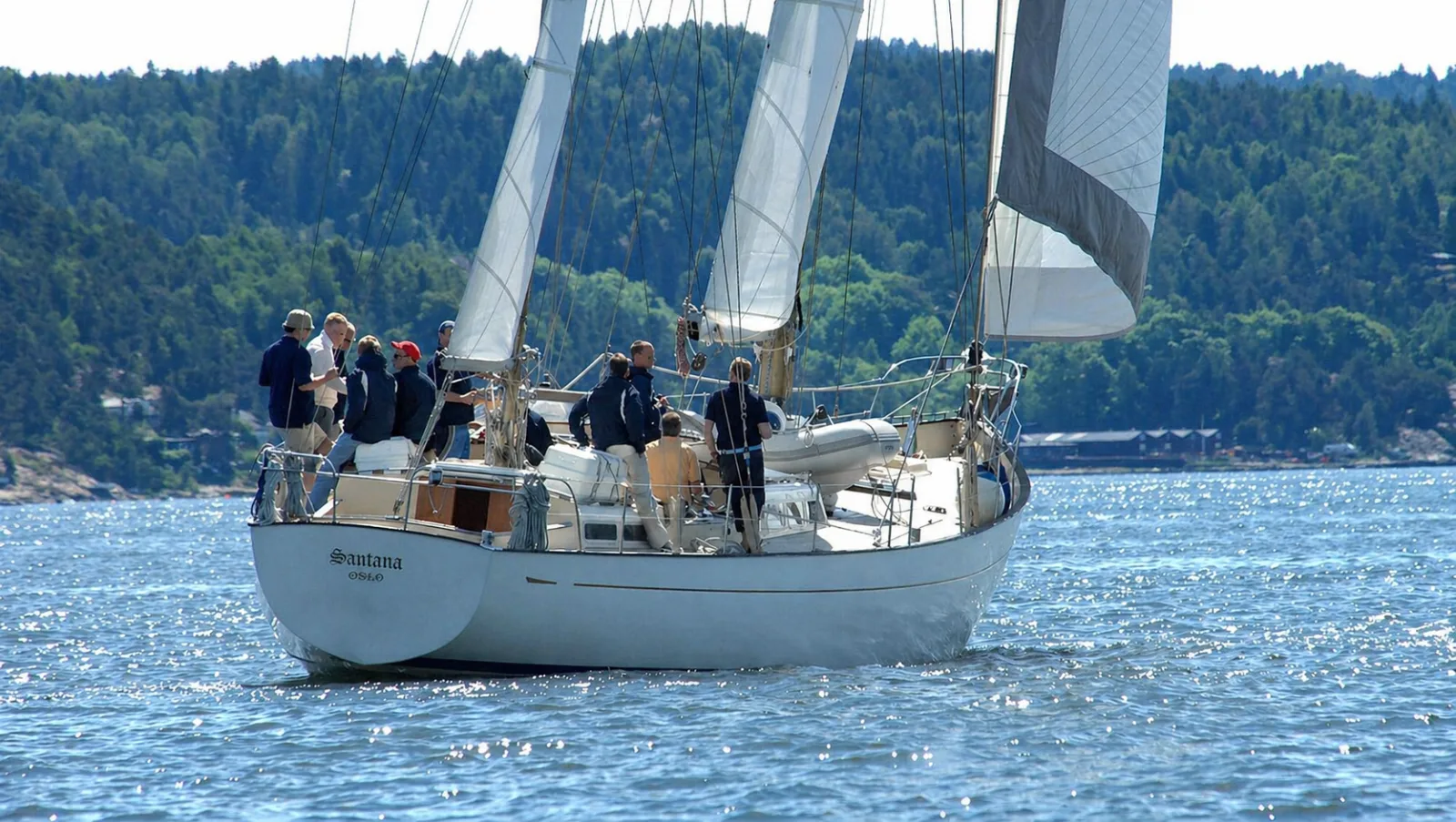
S/Y Santana er ikke en nordisk konstruksjon, men båten har en tydelig plass i norsk seilhistorie. Den 71 fot lange havseileren ble sjøsatt i 1971 som Santa II for skipsreder Leif Høegh.
Båten er en Ocean 71, tegnet av den nederlandske konstruktøren E.G. van de Stadt og bygget ved Southern Ocean Shipyard i Poole i England.
Har du en klassisk seilbåt?
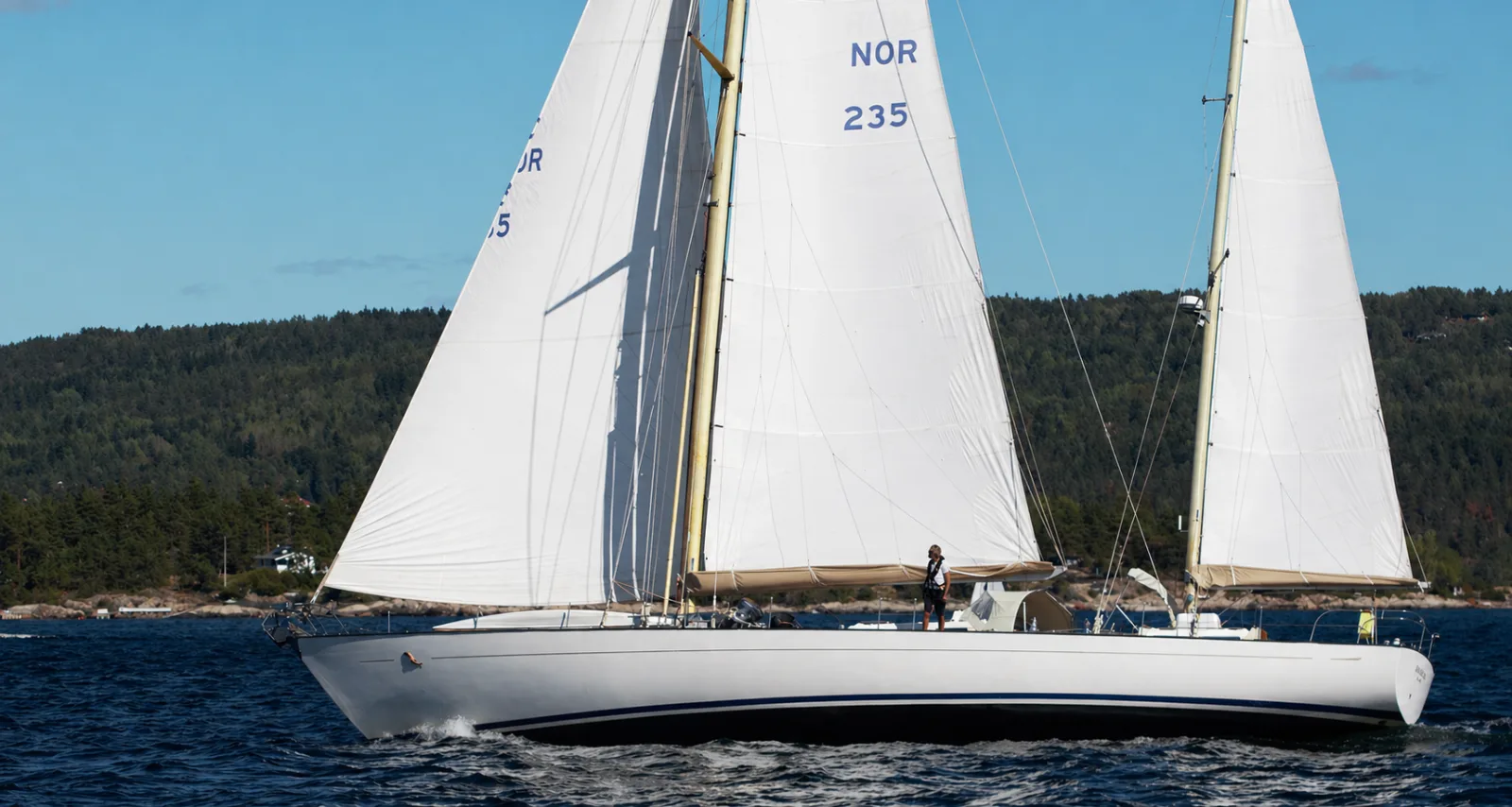
Ocean 71 ble utviklet i en tid da glassfiberteknologien endret byggingen av store seilbåter. Rundt 1970 ble modellen regnet som verdens største serieproduserte yacht i glassfiber, og mer enn 20 båter ble bygget ved verftet i Poole.
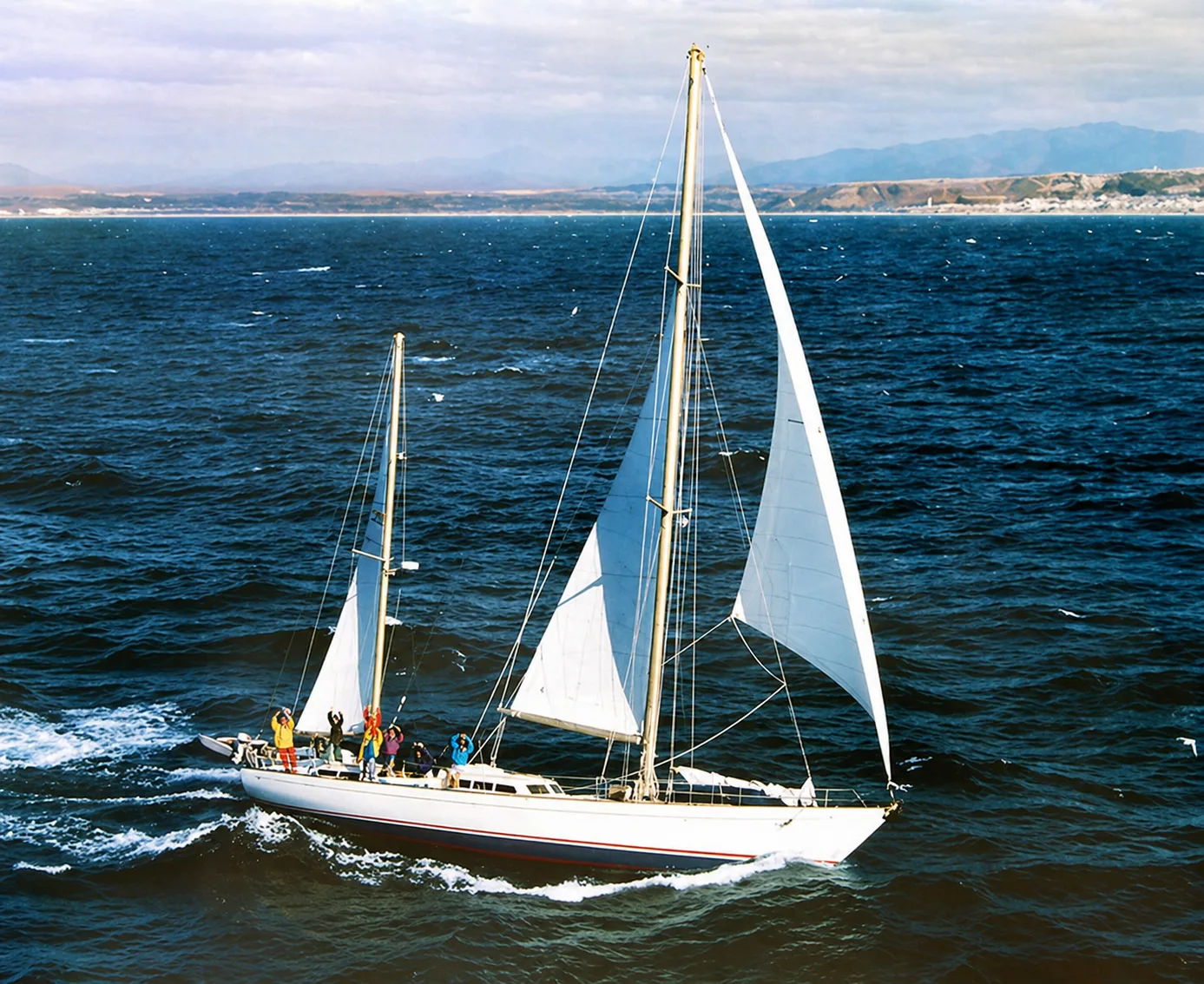
Santana er byggenummer 6 i serien. Båten er rigget som ketch, med to master, og måler 21,5 meter i lengde og omkring 35 tonn i vekt. Med seks lugarer, stor dekksalong, to bad, romslig bysse og to cockpiter ble den bygget for lange havstrekninger og et liv om bord.
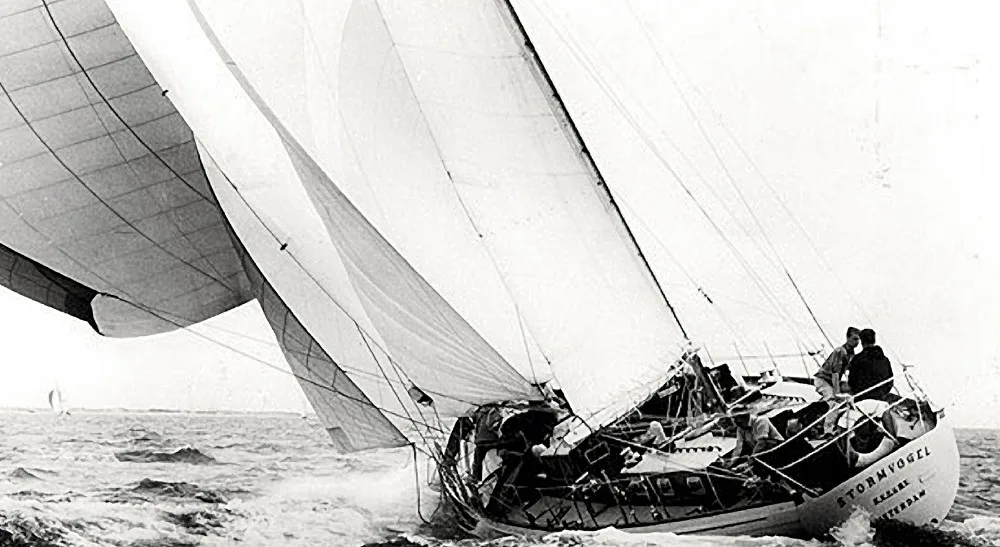
Historien om Ocean 71 begynner med en annen kjent Van de Stadt-konstruksjon: Stormvogel. Den raske havraceren fra begynnelsen av 1960-tallet deltok i flere av de store internasjonale regattaene, blant annet Fastnet Race, Sydney Hobart Race, Bermuda Race og Buenos Aires–Rio de Janeiro. Ocean 71 videreførte noe av arven fra Stormvogel, men i en større og mer komfortabel form, egnet både for regatta, langfart og privat bruk.
Santana har også seilt på havområdene slike båter ble bygget for. Båten har flere Atlanterhavskrysninger bak seg, blant annet deltakelse og seier i ARC – Atlantic Rally for Cruisers, i tillegg til seilaser og cruise i Middelhavet.
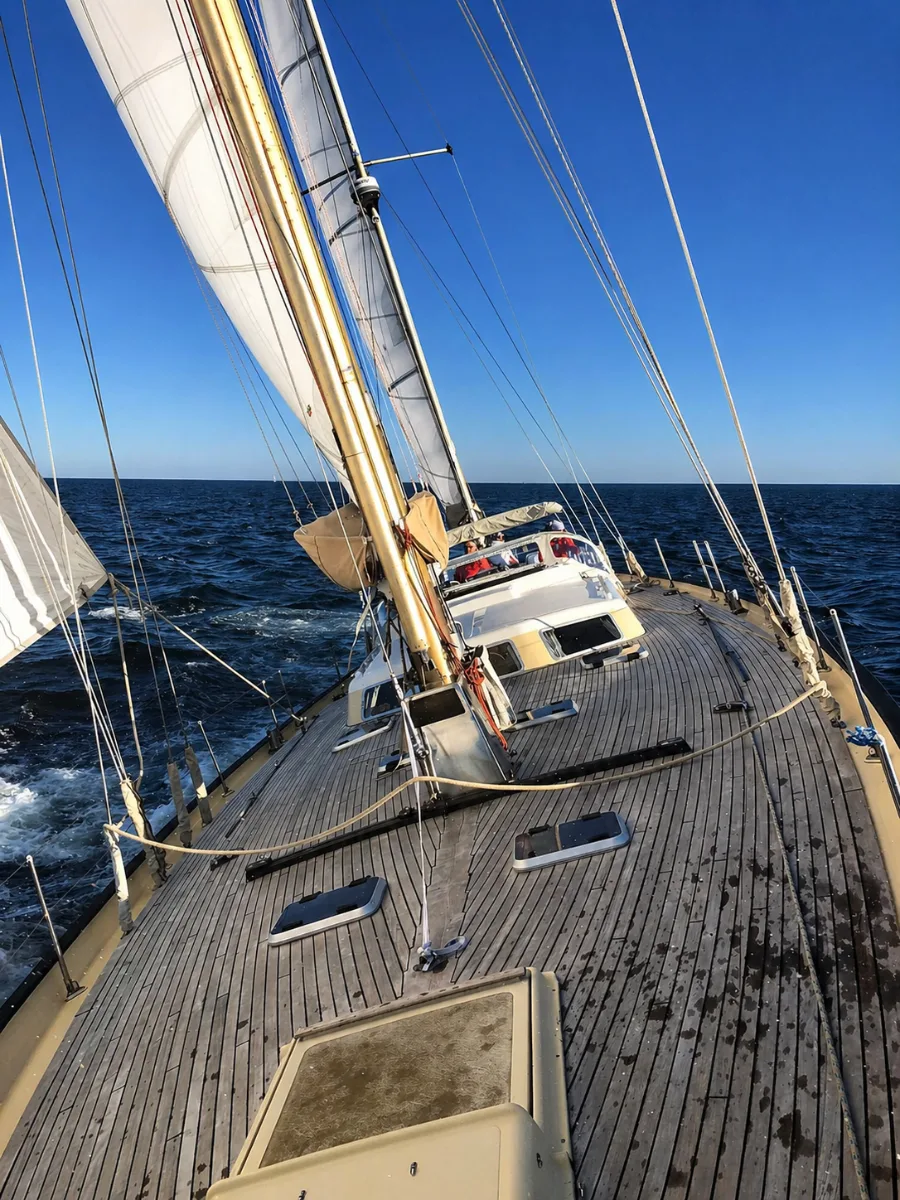
Gjennom årene har Santana hatt flere eiere og blitt godt tatt vare på. Båten har gjennomgått omfattende renoveringer, både i 90-tallet og 2000-tallet.
I dag eies Santana av Simen Løvgren, som også er skipper. Løvgren har lang erfaring som seiler, fra jolle og brett i ungdommen til egen havseiler fra 1984. Han har seilt både tur og regatta, og har de siste årene særlig vært aktiv innen havseilas og shorthanded-seiling, der man seiler alene eller med bare to personer om bord.
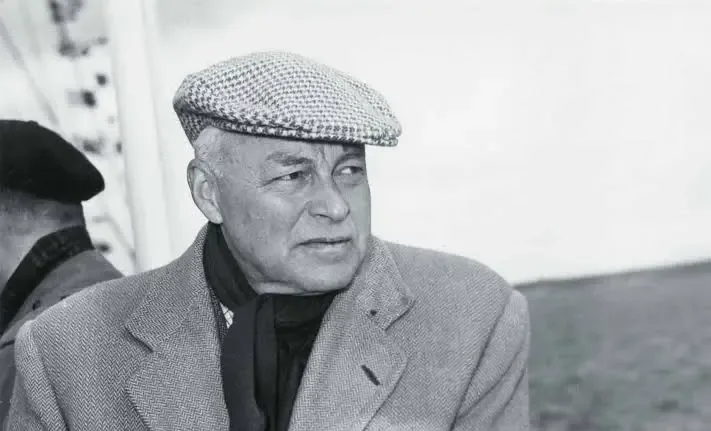
Santanas norske historie begynner likevel med Leif Høegh. Han var en av de store norske skipsfartsentreprenørene på 1900-tallet og grunnla rederiet Leif Høegh & Co. i 1927. Rederiet utviklet seg til å bli et av Norges største, med pionerarbeid innen blant annet bilfrakt og transport av flytende naturgass.
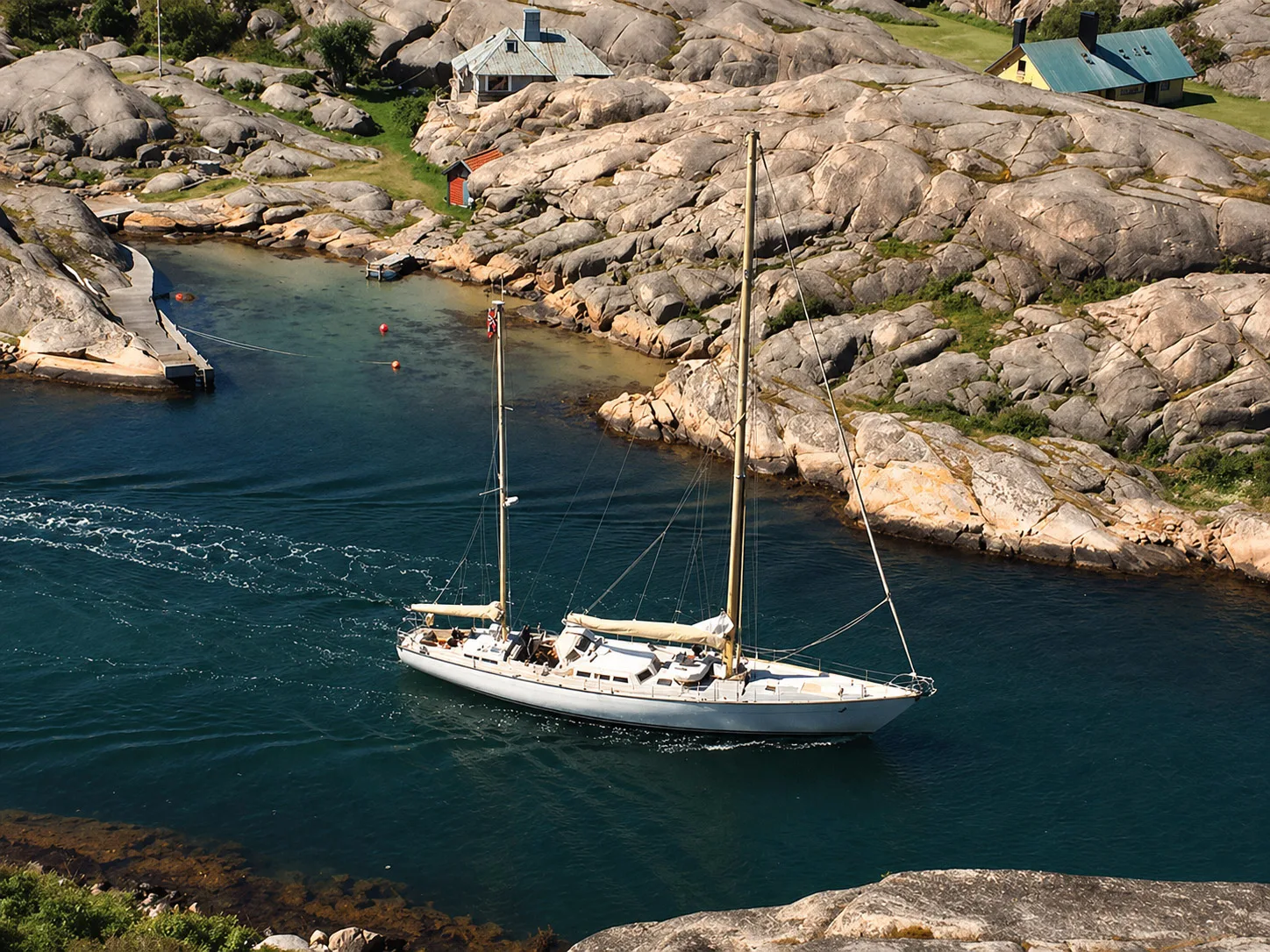
Før Santa II eide Høegh 12-meteren Santa, tegnet av Johan Anker i 1918. Da han ønsket seg en større og mer komfortabel båt, falt valget på Ocean 71 – en moderne havseiler i glassfiber, men med linjer og ambisjoner som fortsatt hører hjemme i den klassiske båttradisjonen.
Faktaboks: S/Y Santana
Del artikkelen